Always in the mode for beauties you are in the right place
Enjoy watching car shows in the ATL and surrounding areas including Florida, Mississippi, Alabama and not just the state of Georgia...
Join us on our Learning Journey to Become Technician in Less than 6 Months
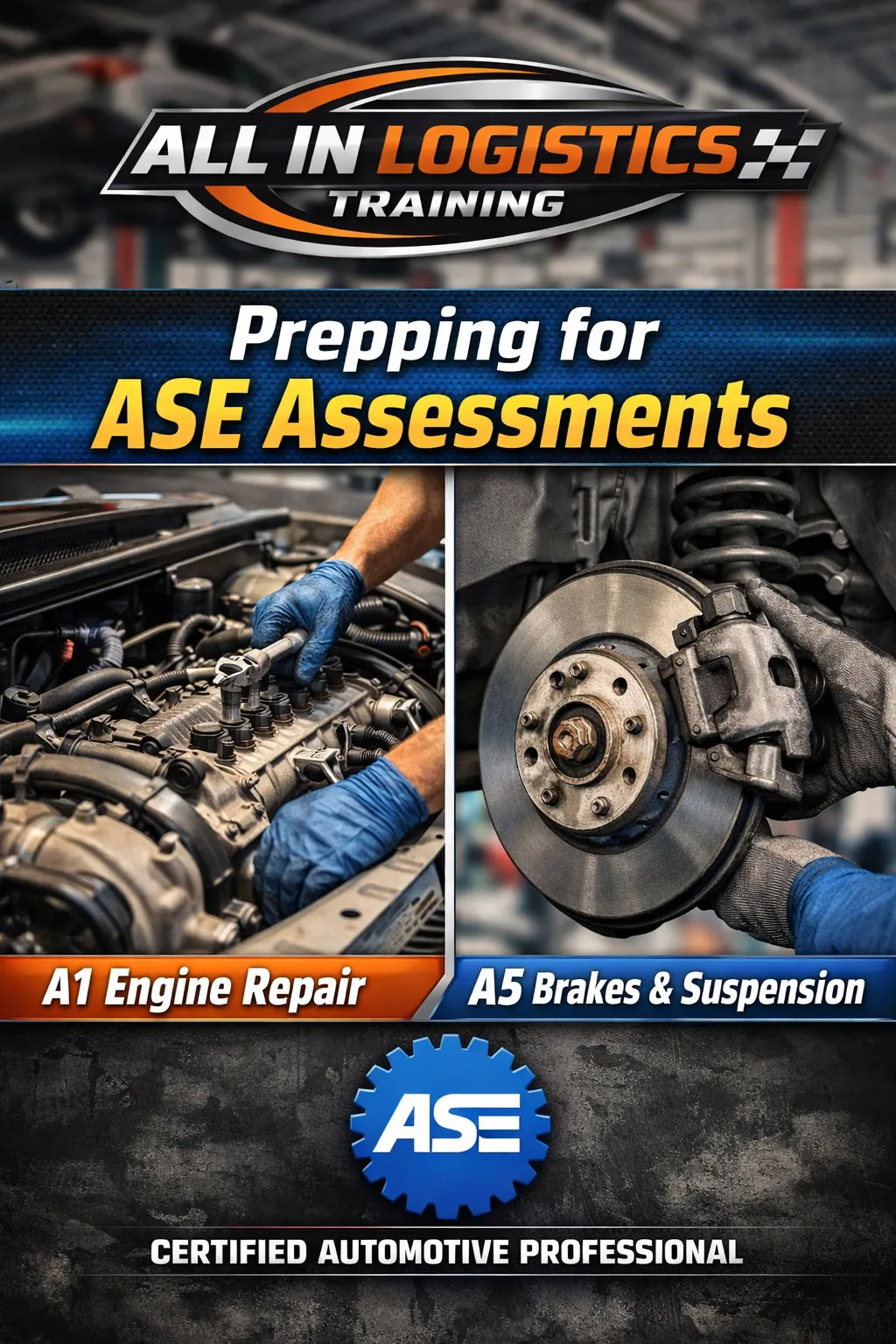
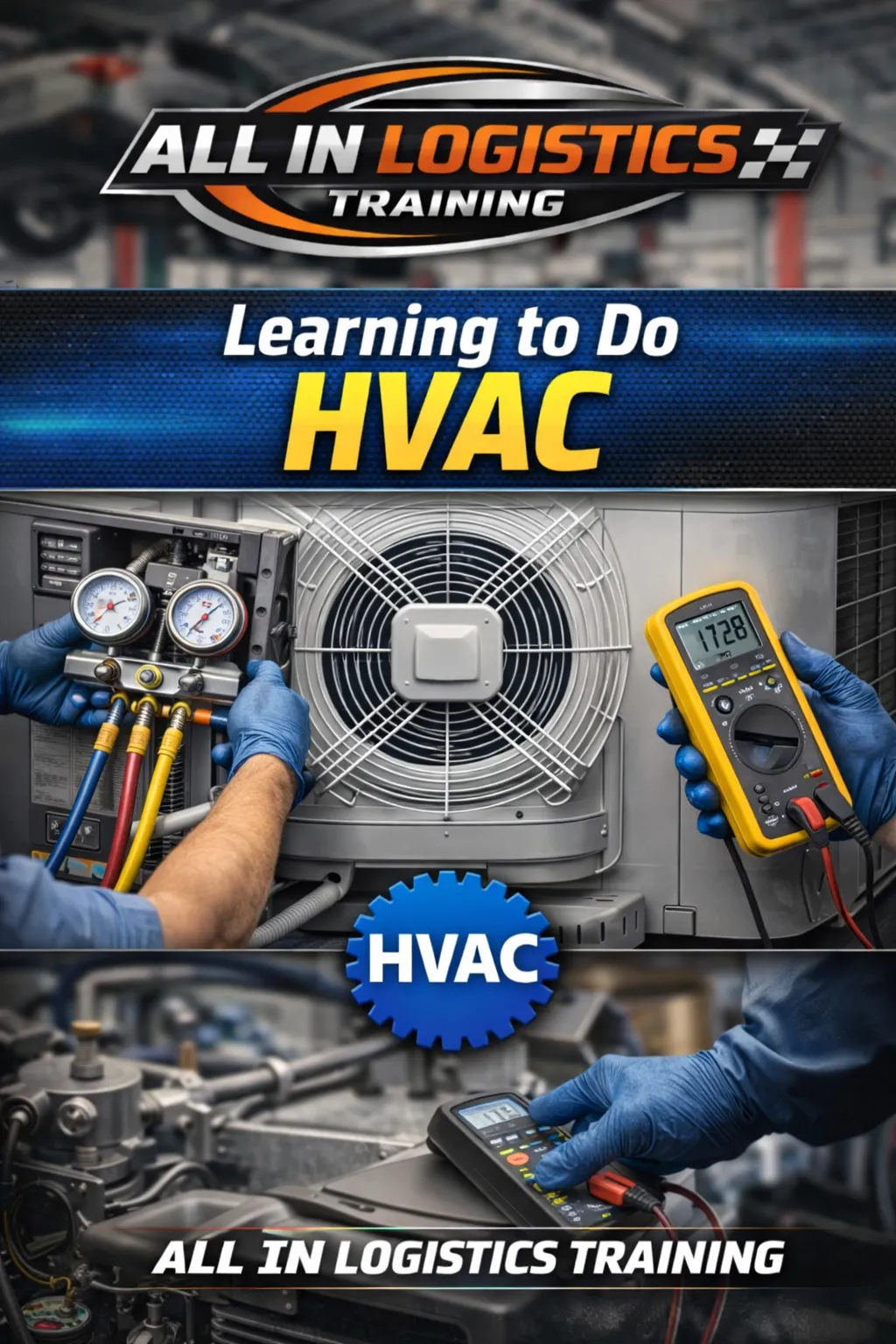
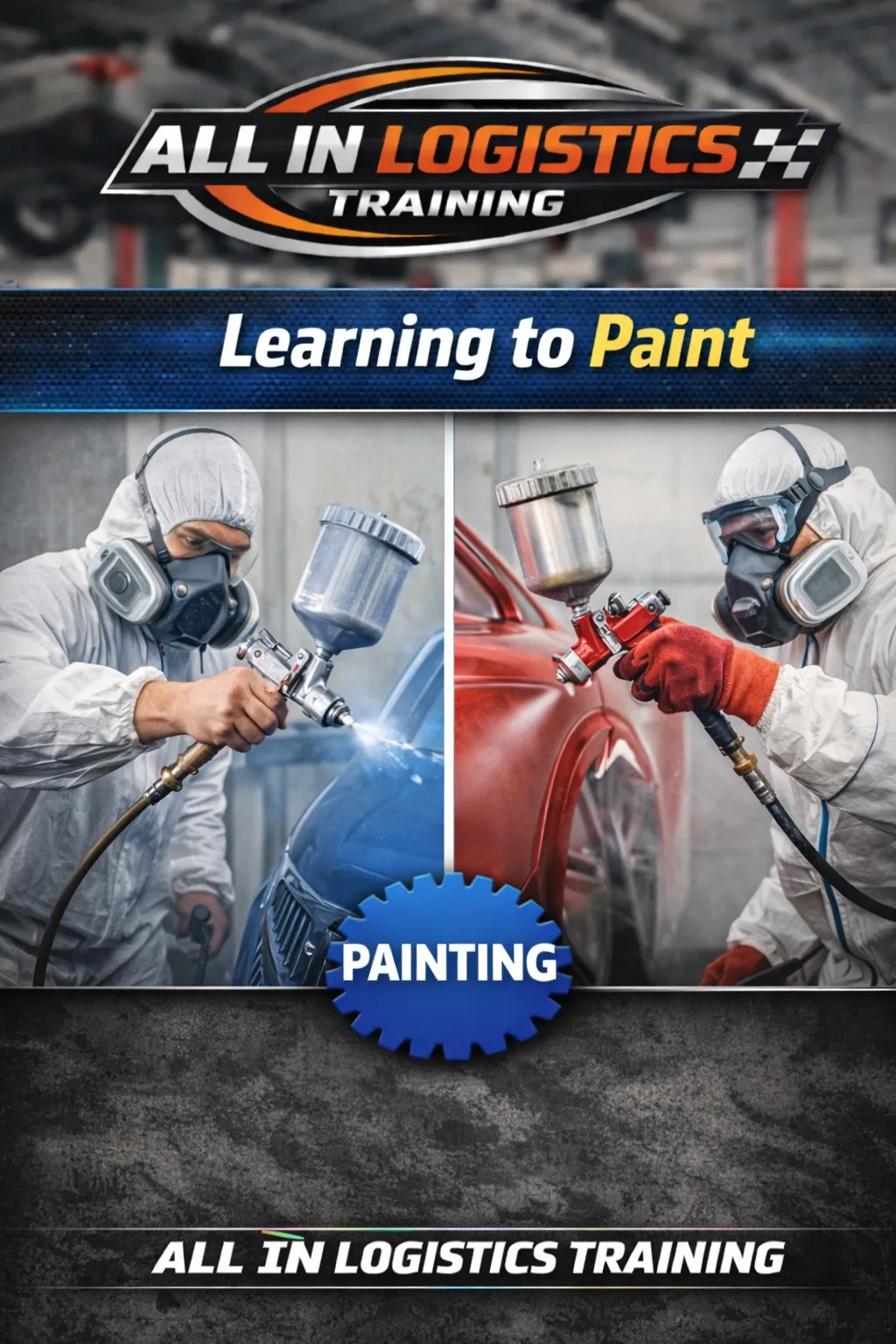
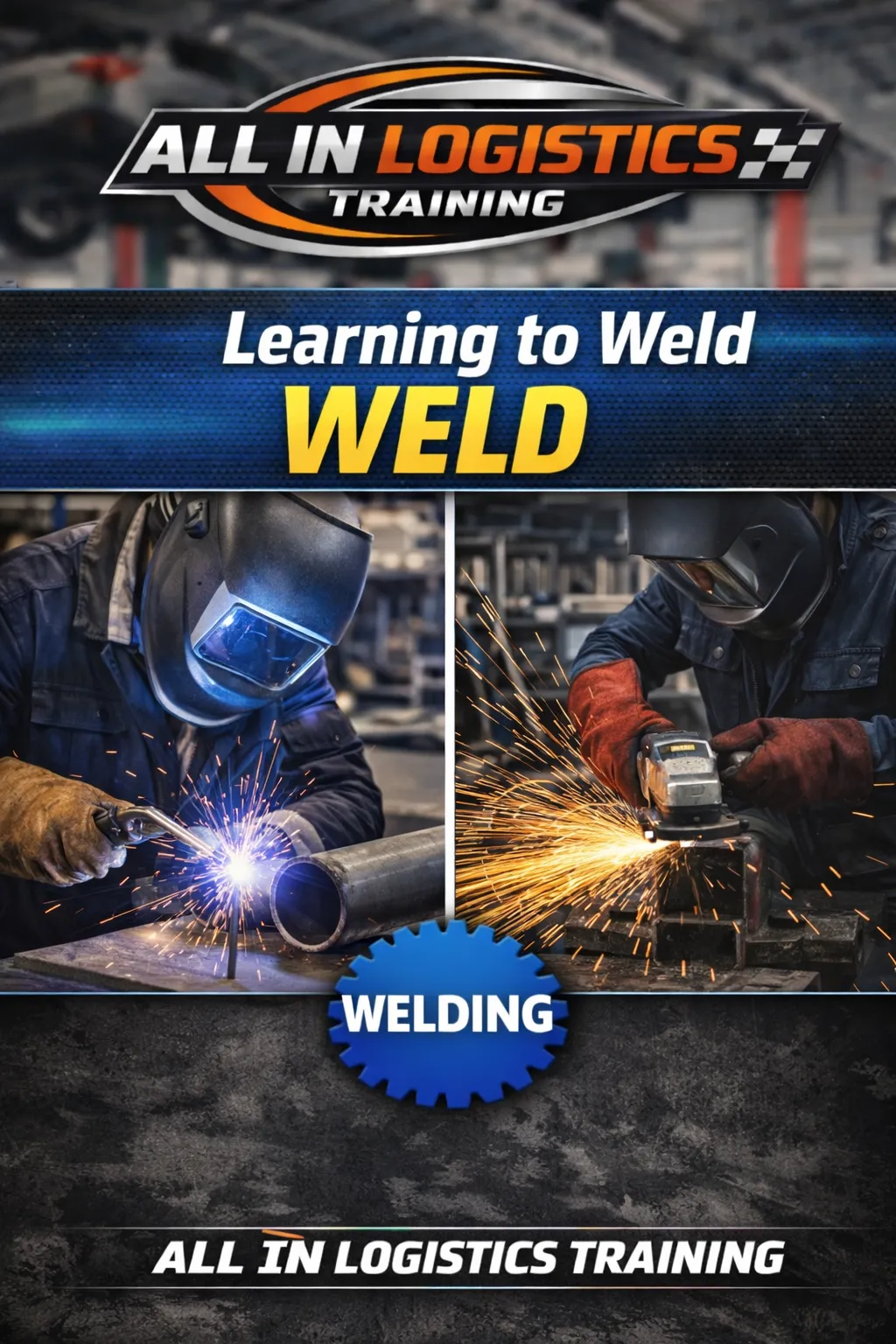
Becoming a Jack or Master Technician
In today’s shifting economy, combining automotive repair, welding, electrical/HVAC, and painting creates more than just a skillset—it builds independence. These trades work together to transform a basic workspace into a fully capable, high-functioning shop where you can diagnose, fabricate, install, and finish projects from start to end. Instead of relying on multiple specialists, you become the system—able to create, fix, and refine with precision and efficiency.
As AI continues to reshape white-collar work between 2025–2027, hands-on trades remain some of the hardest roles to replace. Transitioning from white-collar dependency to blue-collar capability isn’t a step back—it’s a strategic move toward stability. Learning one or more of these four skills positions technicians to adapt, stay valuable, and operate in spaces where human skill, judgment, and craftsmanship still lead the way.
More Mod Training Coming...
More to come about how to maintain, repair and upgrade your vehicle
Add Subtext text. Click "Edit Text" to update the font, size and more.
To change and reuse text themes, go to Site Styles.
Add Subtext text. Click "Edit Text" to update the font, size and more.
To change and reuse text themes, go to Site Styles.




Resources For Techs
The briefcase of ASE resources can be found here
Frequently Asked Questions
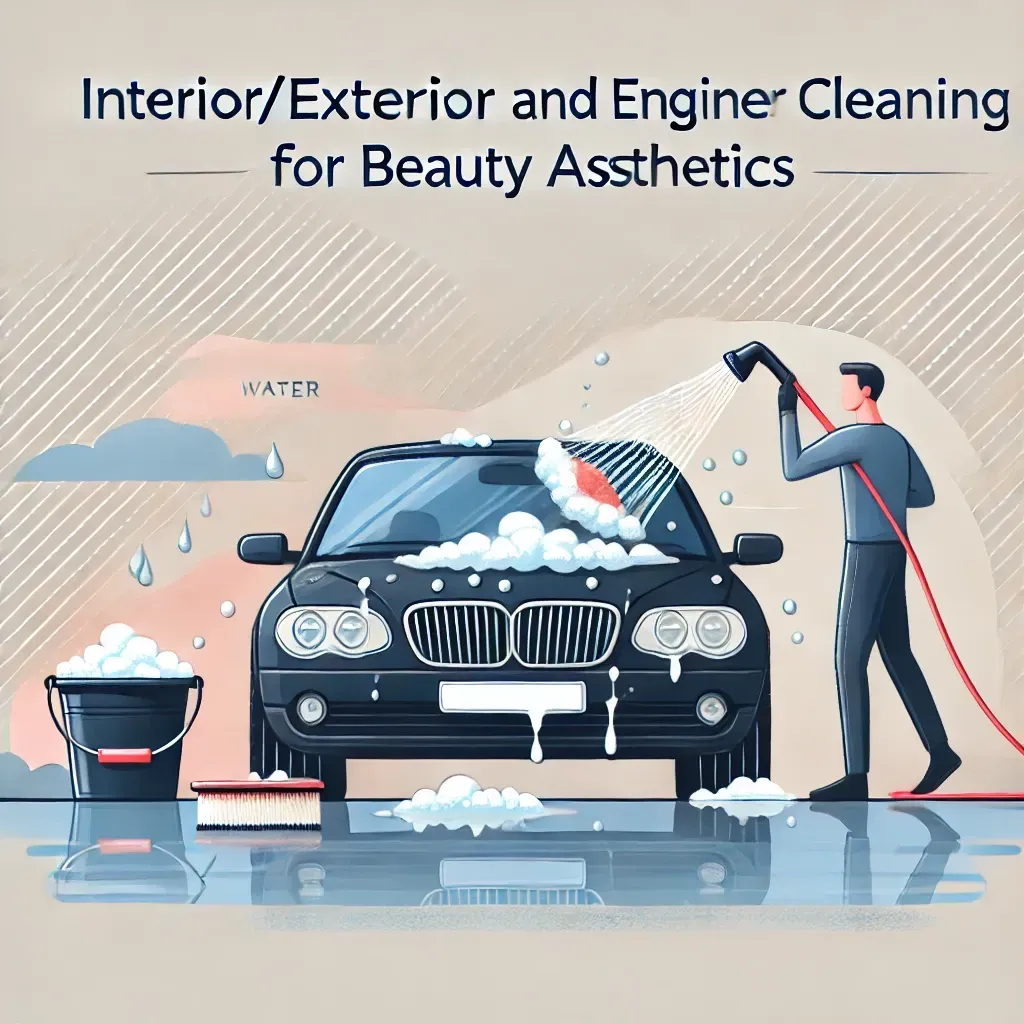
Got questions about our detailing services? Find quick answers to common queries in our FAQ section below!
How often should you change your motor oil and why?
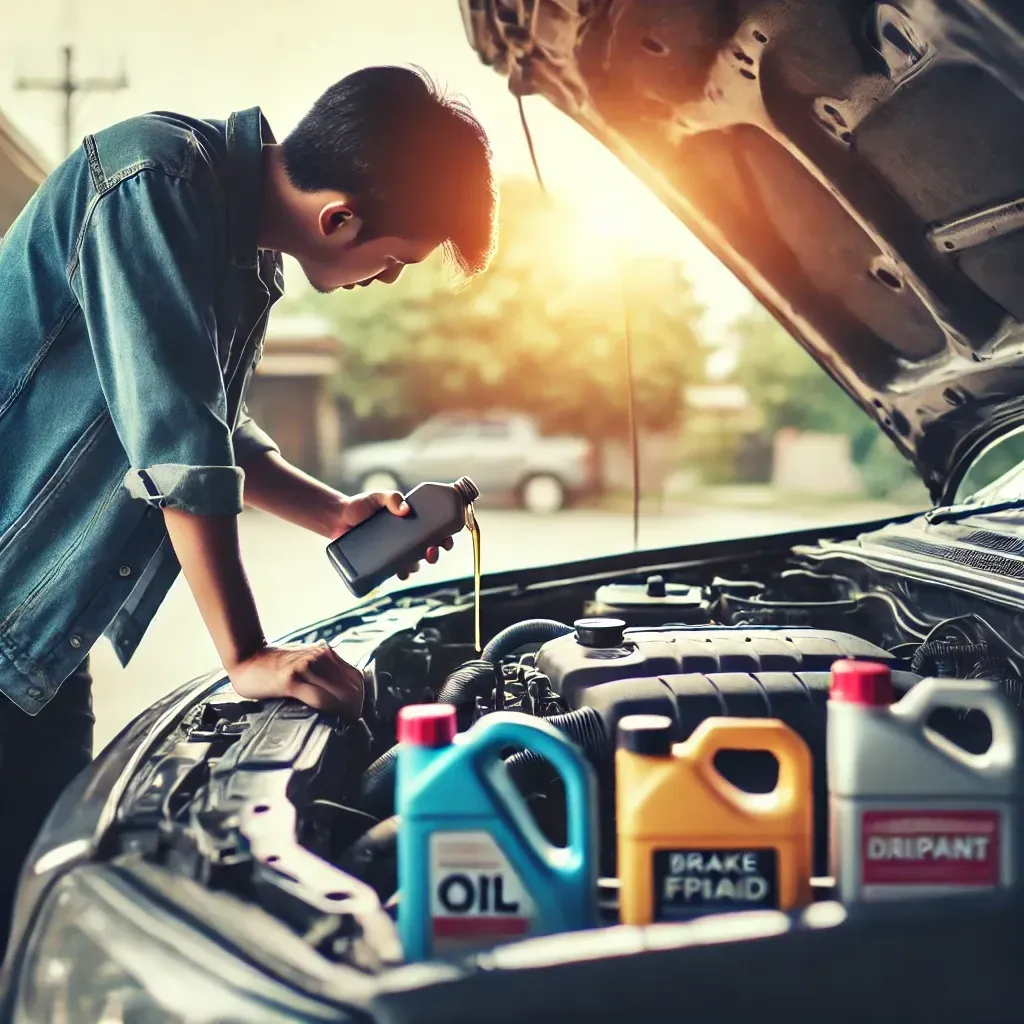
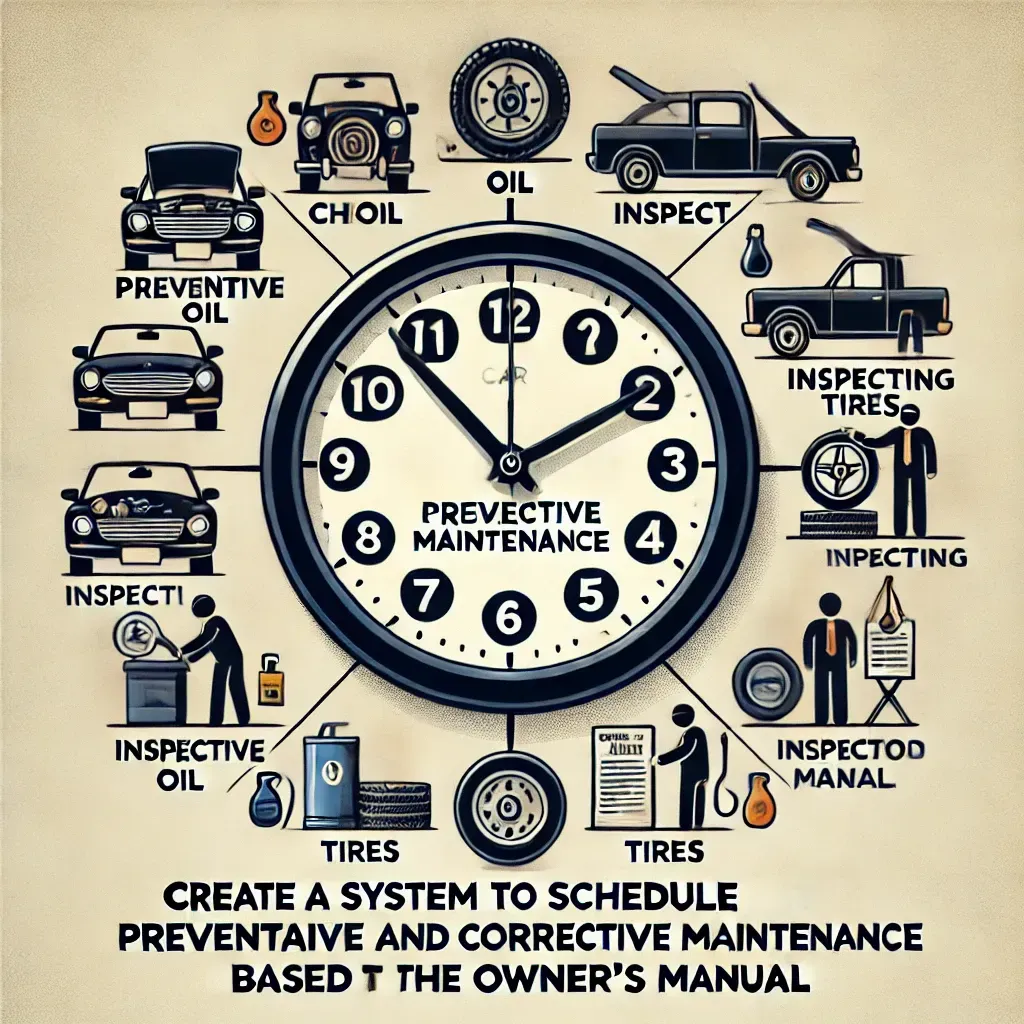
Changing the oil in an average vehicle is essential for maintaining proper lubrication, reducing engine wear, and preventing buildup of contaminants that can cause damage. Regular oil changes help ensure the engine runs efficiently and extends its lifespan. It's important for vehicle owners to read the operator manual to know the exact manufacturer’s recommendation for oil change intervals. Most engine oil should be changed every 3,000 miles or every 3 months which everyone comes first.
What are some of the most common causes for no starts?
A vehicle typically has a no-start issue due to a dead or weak battery, which fails to supply enough power to start the engine. Another common reason is a faulty starter motor or ignition system that prevents the engine from cranking. Additionally, fuel delivery problems, such as an empty tank or a malfunctioning fuel pump, can also lead to a no-start condition.
What are the most common reason for breakdowns to occur?
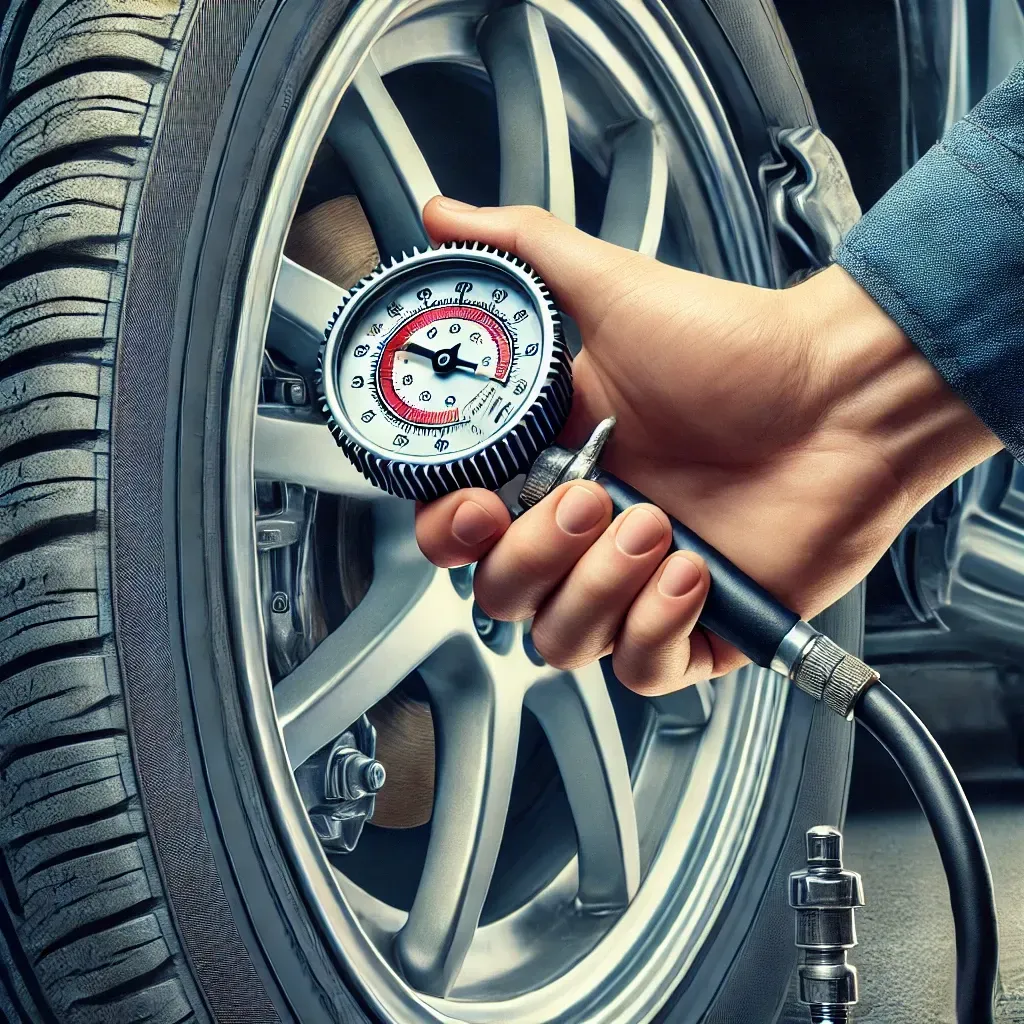
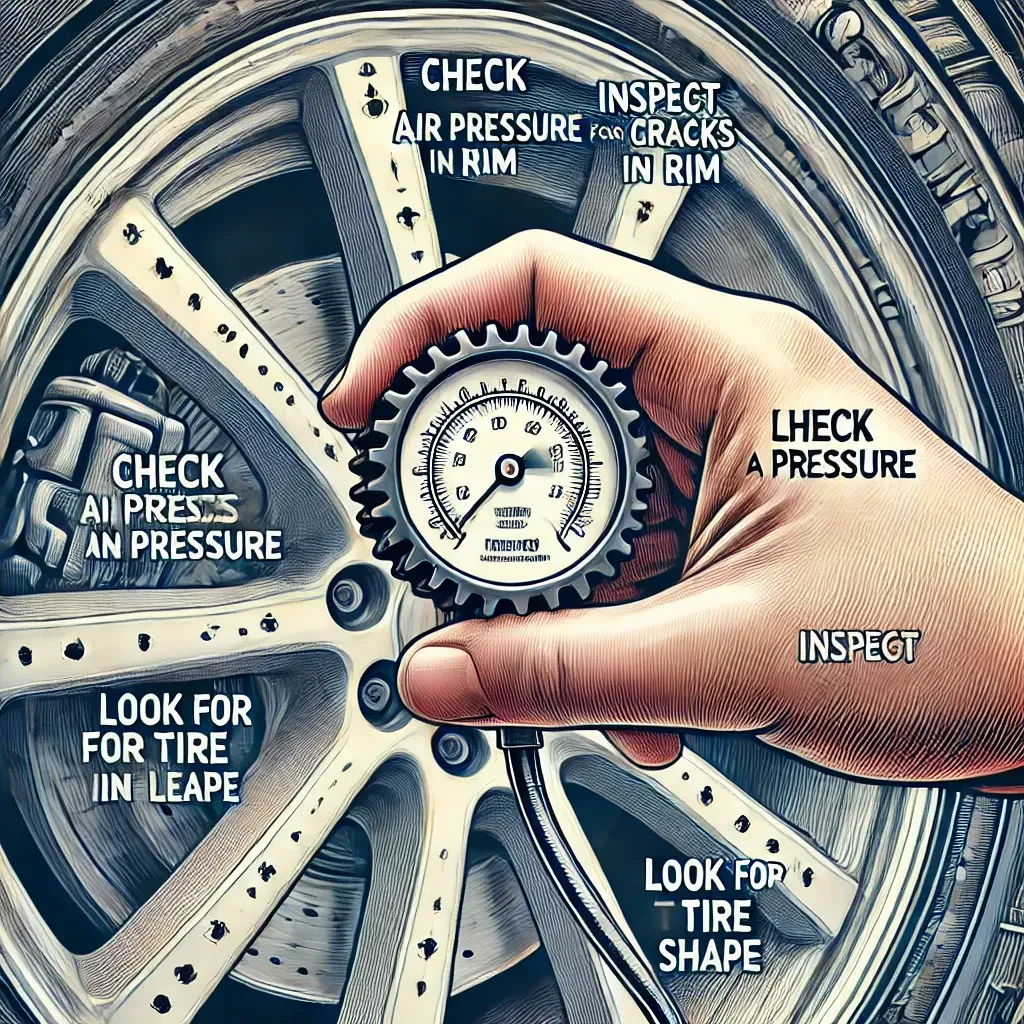
The most common reasons for vehicle breakdowns include battery issues, such as a dead or failing battery, which prevent the car from starting or running properly. Tire problems, like blowouts or flats, often occur due to punctures or underinflated tires. Engine overheating, caused by coolant leaks or failed components in the cooling system, is another frequent culprit for breakdowns.
Whats the pro/cons of buying from dealership vs individuals?
Buying a car from a dealership typically offers more consumer protection, warranty options, and financing services, but may come with higher prices and fees. Purchasing from an individual seller can often be cheaper and more negotiable, but it carries more risk as it usually lacks warranties and requires thorough personal inspection. Both options have trade-offs in terms of reliability, cost, and buyer protection.
What happens to your vehicle if you ignore the signs to repair or maintain your vehicle?
Ignoring vital systems in your vehicle can lead to significant consequences. Neglecting regular maintenance can result in engine damage due to old or insufficient oil, which may cause overheating or complete engine failure. Failing to maintain the braking system can lead to brake failure, increasing the risk of accidents, while ignoring the cooling system can result in overheating, leading to costly repairs or total engine breakdown. Additionally, disregarding the transmission, suspension, or electrical systems can cause poor vehicle performance, decreased safety, and expensive repair bills over time.
What occurs when you use the wrong motor oil for your engine?
Using the wrong engine oil in a car can lead to several issues. If the oil is too thick (higher viscosity), it may not flow properly, especially in colder temperatures, leading to poor lubrication and increased engine wear. Conversely, if the oil is too thin (lower viscosity), it may not provide sufficient protection, causing faster wear on engine parts and potential overheating. Over time, using the incorrect oil can reduce engine performance, lead to increased friction, and potentially cause serious engine damage or failure.
Contact Us
(404) 723-3940
420 nbarton rd, forest park GA 30297

